
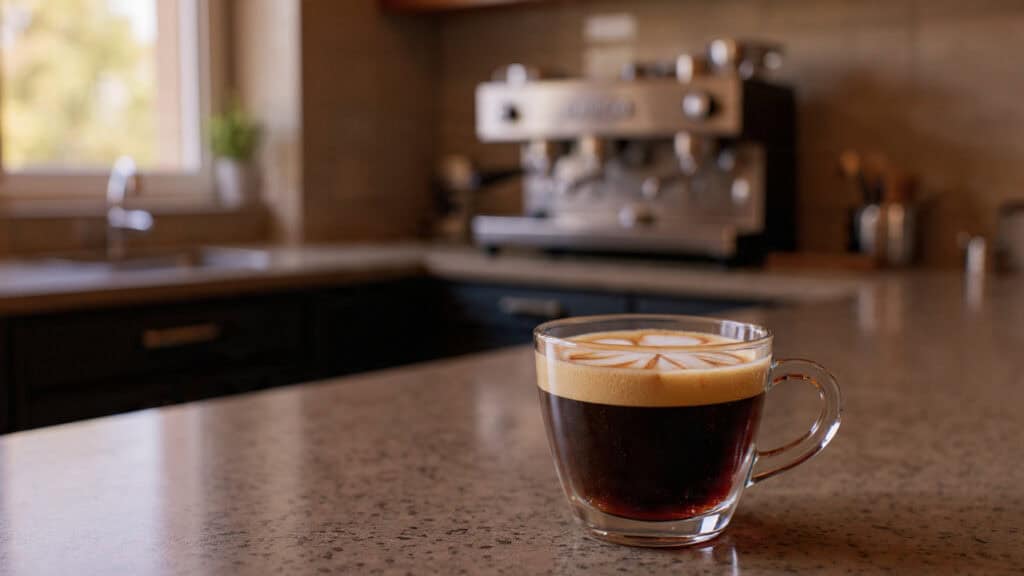
Stop guessing! Learn 7 expert secrets to pull perfect, consistently delicious espresso shots at home. Master advanced troubleshooting and dial-in like a pro barista.
Home Espresso: 7 Pro Secrets for Consistent Shots Daily
The allure of a perfect espresso shot, crafted with precision and enjoyed in the comfort of your home, is undeniably strong. Many embark on the journey of home espresso brewing, mastering the basics of grinding, dosing, and tamping. Yet, a persistent frustration often lingers: inconsistency. One day, a divine shot; the next, a sour disappointment or a bitter blast. The gatekeepers of specialty coffee often make it seem like an arcane art, but the truth is, achieving professional-quality, consistent espresso at home is within your grasp. It’s not about expensive lab equipment; it’s about understanding variables and mastering a diagnostic mindset.
This guide isn’t just about the initial steps. We’re diving deeper, beyond the beginner’s guide, to tackle the nuanced world of daily consistency. We’ll uncover expert secrets on troubleshooting common issues, adapting to changing conditions, and truly understanding what your shot is telling you. Prepare to demystify the art and science of home espresso and pull consistently exquisite shots, every single time.
The Foundations: Your Espresso Recipe (A Quick Review)
Before we troubleshoot consistency, let’s quickly recap the fundamental variables that form your espresso recipe. These are your starting points, the levers you pull to influence the outcome:
- Dose: The weight of dry ground coffee in your portafilter basket (e.g., 18-20 grams).
- Yield: The weight of liquid espresso in your cup (e.g., 36-40 grams for a 1:2 ratio).
- Time: The duration of the extraction from the moment you hit the brew button until you reach your desired yield (typically 25-30 seconds).
- Grind Size: The coarseness of your coffee particles, the most impactful variable for flow rate.
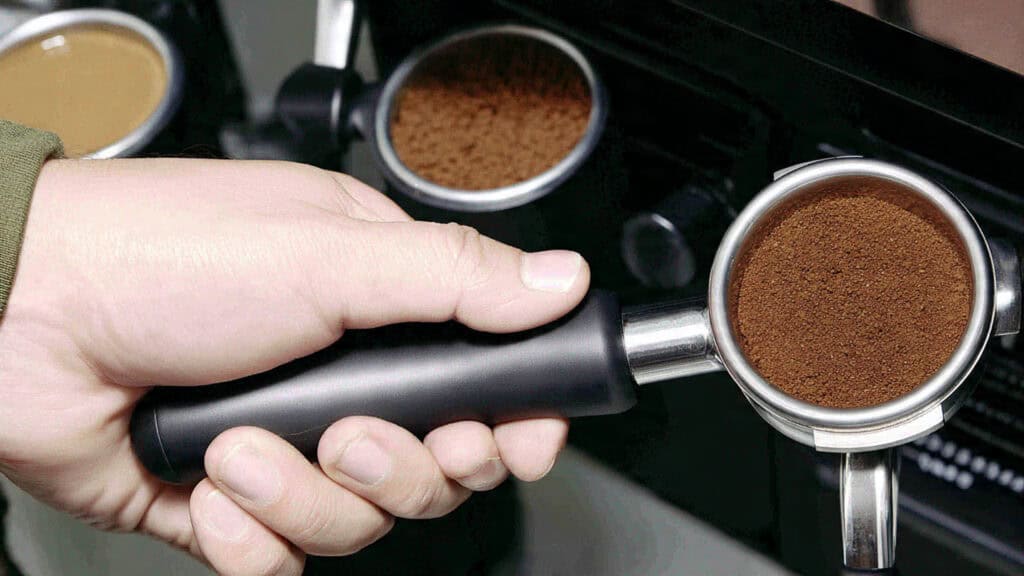
- Tamp: Compacting the coffee bed evenly to prevent channeling.
Most home baristas learn to adjust grind size to hit a specific yield within a target time for a given dose. But what happens when that perfect setting suddenly stops working?
Secret #1: Embrace the Daily Dial-In – It’s Not a One-Time Setting
Professional baristas don’t just set their grinder once and forget it. They ‘dial in’ at the start of every shift, and often throughout the day. Why? Because coffee is an agricultural product, and its characteristics change over time. Variables include:
- Bean Age: As beans degas, their optimal grind size and extraction behavior change. Fresher beans (5-14 days post-roast) often require a slightly coarser grind than older beans.
- Ambient Conditions: Humidity and temperature can significantly affect grind retention and the flow dynamics of your coffee bed. A high-humidity day might necessitate a slightly finer grind.
- Machine Temperature Stability: Home machines can fluctuate. Understanding your machine’s temperature stability and potential ‘temperature surfing’ techniques can be crucial for consistency.
The Iterative Process of Dialing In:
- Start with your known good recipe (dose, yield).
- Pull a shot, noting the time.
- Too Fast? Grind finer.
- Too Slow? Grind coarser.
- Taste and adjust. Repeat until ideal.
Secret #2: Master Your Sensory Diagnostic Toolkit
Your eyes, nose, and tongue are your most powerful diagnostic tools. Learning to interpret what they tell you about your shot’s extraction is key to troubleshooting.
Visual Cues During Extraction:
- Pre-infusion: Gentle, even wetting of the puck.
- Initial Drip: Should be a few seconds after pump activation, not immediate.
- Flow: A steady, even stream, often described as ‘mouse tails’ or ‘warm honey.’
- Color: Starts dark, transitions to tiger-striping (crema), then lightens towards the end.
Red Flags: Spurting/spraying (channeling), very thin or watery stream (under-extracted), very dark/tar-like stream (over-extracted or too fine).
Taste Profiles for Troubleshooting:
This is where the ‘gatekeeping’ often happens. Let’s break it down simply:
| Taste Profile | Probable Issue | Solution |
|---|---|---|
| Sour, Lemony, Underdeveloped | Under-extracted (too fast/coarse) | Grind finer; increase yield slightly. |
| Bitter, Ashy, Hollow | Over-extracted (too slow/fine) | Grind coarser; decrease yield slightly. |
| Weak, Watery, No Body | Severely under-extracted; channeling | Grind much finer; improve puck prep; increase dose. |
| Astringent, Drying Sensation | Extreme over-extraction; very high temperature | Grind coarser; lower brew temperature if possible. |
| No Crema/Thin Crema | Old beans, under-extracted, low brew temp | Use fresher beans; grind finer; check machine temp. |
Secret #3: Water Quality Isn’t Just for Taste – It’s for Consistency
The water you use is over 98% of your espresso. It affects taste, machine longevity, and extraction dynamics. Hard water can lead to scale buildup, impacting heating elements and flow. Soft water can strip flavors. Aim for filtered water with a balanced mineral content (e.g., 50-100 ppm total dissolved solids). Using a consistent water source eliminates a major variable from your daily struggle.
Secret #4: Advanced Puck Preparation (WDT and Distribution Tools)
Channeling – where water finds an easy path through inconsistent coffee beds – is the enemy of consistency. While good tamping helps, advanced techniques elevate your puck prep:
- WDT (Weiss Distribution Technique): Use a fine needle tool to break up clumps and evenly distribute grounds in the portafilter before tamping. This significantly reduces channeling, especially with finer grinds.
- Distribution Tool/Leveler: A tool that levels the coffee bed without compacting it, ensuring an even surface before tamping. While not strictly necessary with WDT, it adds another layer of consistency.
These tools, once considered ‘pro-level,’ are now widely accessible and transformative for home espresso.
Secret #5: Temperature Surfing for Non-PID Machines
Many prosumer machines have PID controllers for precise temperature. If yours doesn’t, temperature surfing can significantly improve consistency. This involves understanding your machine’s heating cycle and ‘flushing’ water through the group head to bring it to an optimal temperature just before brewing. Research your specific machine’s recommended temperature surfing technique.
Secret #6: The Power of the Logbook (Digital or Analog)
To truly master consistency, you need data. Keep a simple logbook. For each shot, record:
- Date & Time
- Coffee Bean (Roast date, if known)
- Dose (g)
- Yield (g)
- Time (s)
- Grind Setting (from your grinder)
- Taste Notes (Sour, Bitter, Balanced, etc.)
- Adjustment Made (e.g., ‘grind finer by 1 click’)
This empirical approach allows you to see patterns, understand the impact of your adjustments, and quickly revert to a ‘known good’ setting if you get lost.
Secret #7: Cleanliness is Next to Godliness (and Good Espresso)
A dirty machine is an inconsistent machine. Old coffee oils build up in the group head, portafilter, and baskets, leading to rancid flavors and uneven extraction.
- Daily: Rinse portafilter, wipe group head, purge steam wand.
- Weekly: Backflush with water, clean shower screen and basket with a brush.
- Monthly/Bi-Monthly: Backflush with espresso machine detergent.
- Periodically: Descale (frequency depends on water hardness).
A clean machine ensures that the only flavors you’re tasting are from your carefully selected beans.
Conclusion: Your Home Espresso, Elevated
No more gatekeeping. The path to consistently perfect espresso shots at home isn’t paved with mysticism, but with understanding, observation, and methodical adjustment. By embracing the daily dial-in, honing your sensory diagnostics, paying attention to water and puck preparation, managing machine temperature, logging your results, and maintaining pristine cleanliness, you transform from a casual brewer into a home barista expert.
The beauty of this journey is in the learning, the subtle adjustments, and the ultimate reward of a perfectly extracted shot that rivals any coffee shop. So, go forth, experiment with confidence, and enjoy the unparalleled satisfaction of truly mastering your home espresso machine.
Related Reading