
Proactively boost kidney health & longevity with 13 powerful superfoods. Discover how antioxidants, omega-3s, and unique nutrients protect vital renal function.
Kidney Superfoods: 13 Vital Boosters for Renal Longevity
Your kidneys are the unsung heroes of your internal ecosystem, quietly working 24/7 to filter waste, regulate blood pressure, produce hormones, and maintain electrolyte balance. These bean-shaped organs are vital for overall health, yet their critical role often goes unnoticed until issues arise. While medical interventions are paramount for existing conditions, what if there was a powerful, proactive strategy you could adopt *before* problems begin, or to bolster your kidneys against future challenges?
This isn’t just another list of ‘healthy foods.’ We’re diving deeper into the science behind 13 specific superfoods, exploring exactly how their unique compounds actively protect, enhance, and even potentially prolong the optimal function of your kidneys. Beyond disease management, we’ll uncover how these dietary powerhouses contribute to renal resilience and overall longevity. Forget reactive measures; let’s explore how to show your kidneys some proactive, supercharged love.
Understanding Your Kidneys: The Unsung Heroes
Before we delve into the superfoods, let’s briefly appreciate the complexity and importance of your kidneys. Each kidney contains millions of tiny filtering units called nephrons, which tirelessly process about 1 liter of blood per minute. Their functions extend far beyond simple filtration:
How Kidneys Function: A Quick Glance
- Waste Removal: Filtering toxins, drugs, and excess mineral salts from the blood.
- Fluid Balance: Regulating the body’s water content.
- Blood Pressure Regulation: Producing hormones that control blood pressure, such as renin.
- Red Blood Cell Production: Releasing erythropoietin, which signals bone marrow to make red blood cells.
- Bone Health: Activating Vitamin D for strong bones and mineral balance.
The Silent Threats to Kidney Health
Unfortunately, many factors can compromise kidney function over time. Chronic conditions like high blood pressure and diabetes are leading causes of kidney disease globally, affecting an estimated 1 in 7 adults. Lifestyle choices, including poor diet, lack of hydration, and sedentary habits, also play significant roles. The insidious nature of kidney disease often means symptoms don’t appear until significant damage has occurred, making proactive protection absolutely crucial.
The Proactive Power of Superfoods for Renal Wellness
Incorporating specific, nutrient-dense foods can provide a protective shield for your kidneys. Here are 13 superfoods that offer exceptional benefits, explaining *how* they work:
Cranberries: Urinary Tract Guardians
Known for their vibrant color and tart taste, cranberries are rich in unique phytonutrients called proanthocyanidins (PACs). These compounds specifically prevent bacteria, particularly E. coli, from adhering to the walls of the urinary tract and bladder, significantly reducing the risk of UTIs – a common precursor to kidney infections. They also provide potent antioxidants that combat oxidative stress.
Blueberries: Antioxidant Powerhouses
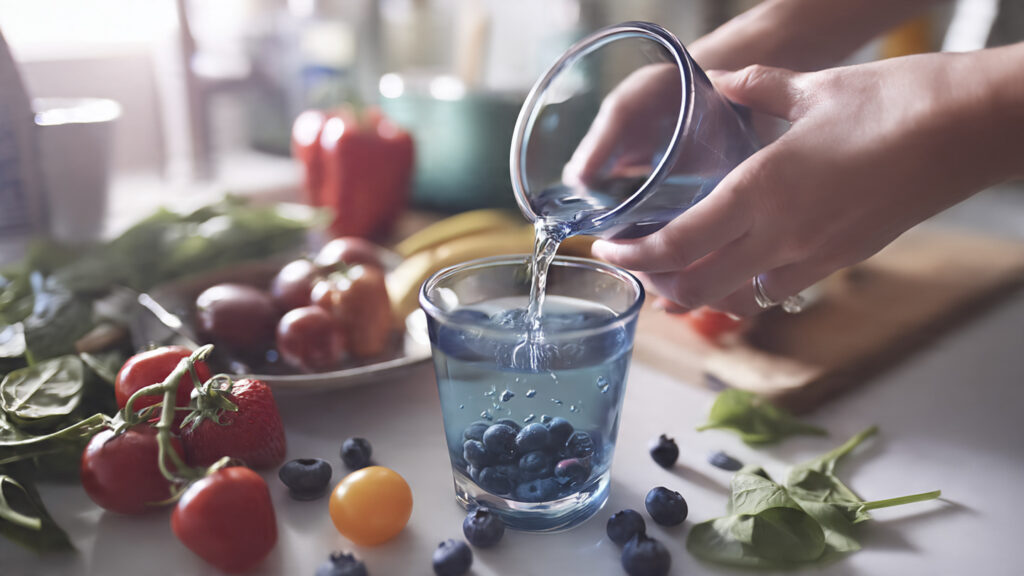
These small berries are packed with anthocyanins, powerful antioxidants that reduce inflammation and protect kidney cells from damage caused by free radicals. Research suggests that the regular consumption of berries can improve endothelial function and lower blood pressure, both beneficial for long-term kidney health.
Fatty Fish (e.g., Salmon, Mackerel): Omega-3 Champions
Rich in omega-3 fatty acids (EPA and DHA), fatty fish are renowned for their anti-inflammatory properties. Chronic inflammation can harm kidney structures. Omega-3s help reduce systemic inflammation, improve blood vessel function, and may lower blood pressure, all contributing to better renal blood flow and protection against damage.
Kale: Nutrient-Dense Defender
A true superfood, kale is low in potassium, making it kidney-friendly for many. It’s an excellent source of Vitamins A, C, and K, along with flavonoids and carotenoids that offer antioxidant and anti-inflammatory benefits. Its fiber content also aids in toxin elimination through the digestive tract, reducing the burden on kidneys.
Garlic: Blood Pressure & Cholesterol Regulator
Beyond its culinary appeal, garlic contains allicin, a compound with impressive medicinal properties. Allicin can help lower blood pressure, reduce cholesterol levels, and act as a natural anti-inflammatory agent. These effects are crucial for mitigating two of the biggest risk factors for kidney disease: hypertension and hyperlipidemia.
Cauliflower: Detoxification Catalyst
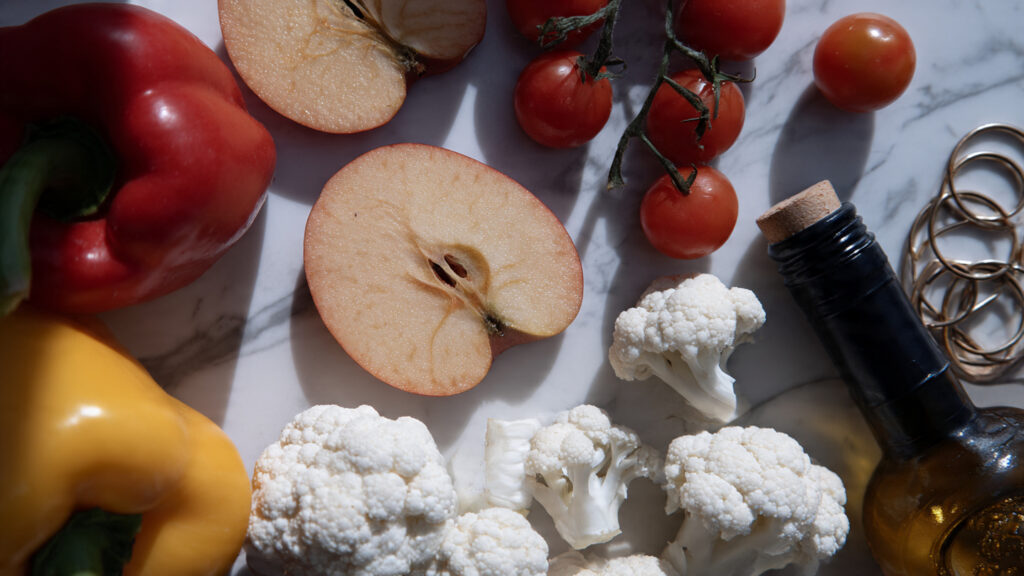
This versatile vegetable is low in potassium and phosphorus, making it an excellent choice for kidney-conscious diets. It’s rich in vitamin C, folate, and fiber, and contains compounds called glucosinolates. These compounds support the liver’s detoxification pathways, which in turn reduces the workload on the kidneys.
Red Bell Peppers: Vitamin C Boost
Low in potassium and high in Vitamin C, Vitamin A, and Vitamin B6, red bell peppers are another kidney-friendly option. Vitamin C is a powerful antioxidant that supports immune function and helps protect cells, including kidney cells, from oxidative stress.
Apples: Fiber-Rich Cleansers
Apples are a great source of soluble fiber, which helps reduce cholesterol and blood sugar levels. They also contain pectin, a type of soluble fiber that binds to waste products in the digestive system, facilitating their elimination and lessening the kidney’s filtering burden. Quercetin, another flavonoid in apples, offers anti-inflammatory protection.
Cabbage: Antioxidant & Phytochemical Rich
Like cauliflower, cabbage is a cruciferous vegetable rich in phytochemicals and low in potassium. It’s a good source of Vitamin K and C, as well as fiber. These nutrients contribute to overall cellular health and detoxification processes, offering a gentle yet effective boost to kidney function.
Cherries: Anti-inflammatory & Gout Fighter
Sweet and tart cherries are packed with anthocyanins and other antioxidants that possess significant anti-inflammatory properties. They are particularly noted for their ability to help lower uric acid levels in the blood, which can be beneficial in preventing gout, a condition that can sometimes complicate kidney health.
Onions: Quercetin and Chromium Source
Onions contain quercetin, a potent flavonoid with anti-inflammatory and antioxidant effects. They also provide chromium, which helps with carbohydrate, fat, and protein metabolism. Importantly, onions are low in sodium and high in flavor, making them a kidney-friendly alternative to salt in cooking.
Olive Oil: Healthy Fats for Renal Flow
Extra virgin olive oil, rich in monounsaturated fats and polyphenols, has been linked to reduced inflammation and improved cardiovascular health. Good heart health directly translates to good kidney health, as healthy blood flow is essential for efficient kidney filtration. It’s also low in phosphorus, a concern for those with compromised kidney function.
Water: The Ultimate Kidney Cleanser
While not a ‘food,’ adequate hydration is the single most critical factor for kidney health. Water helps your kidneys flush out sodium and toxins from your body, reducing the risk of kidney stones and ensuring the efficient transport of nutrients and waste. Aim for clear urine to indicate proper hydration.
To make it easier, here’s a quick summary of their primary benefits:
| Superfood | Key Benefits for Kidneys | Key Compounds |
|---|---|---|
| Cranberries | Prevents UTIs, antioxidant protection | Proanthocyanidins (PACs) |
| Blueberries | Reduces inflammation, protects cells | Anthocyanins |
| Fatty Fish | Anti-inflammatory, lowers BP, improves blood flow | Omega-3s (EPA, DHA) |
| Kale | Antioxidant, anti-inflammatory, low potassium | Vitamins A, C, K; Flavonoids |
| Garlic | Lowers BP, cholesterol, anti-inflammatory | Allicin |
| Cauliflower | Detox support, low potassium/phosphorus | Glucosinolates, Vitamin C |
| Red Bell Peppers | Antioxidant, immune support, low potassium | Vitamin C, A, B6 |
| Apples | Fiber-rich, cholesterol/sugar reduction, detoxification | Pectin, Quercetin |
| Cabbage | Phytochemicals, vitamins, fiber, low potassium | Vitamins K, C; Glucosinolates |
| Cherries | Anti-inflammatory, lowers uric acid | Anthocyanins, antioxidants |
| Onions | Anti-inflammatory, antioxidant, blood sugar regulation | Quercetin, Chromium |
| Olive Oil | Healthy fats, reduces inflammation, improves heart health | Monounsaturated fats, Polyphenols |
| Water | Flushes toxins, prevents stones, aids nutrient transport | H2O |
Beyond the Plate: Lifestyle for Optimal Kidney Health
While these superfoods offer incredible benefits, they are part of a larger picture of kidney care. To truly embrace renal longevity, consider these complementary lifestyle factors:
Hydration Matters
We’ve listed water as a super ‘food’ for a reason. Consistent, adequate hydration is non-negotiable for kidney function. Aim for at least 8 glasses of water daily, adjusting based on activity level and climate.
Regular Exercise
Physical activity helps maintain a healthy weight, control blood pressure, and manage blood sugar levels – all vital for preventing kidney damage.
Monitoring Key Health Markers
Regular check-ups that include blood pressure monitoring, blood sugar tests, and kidney function tests (like GFR and creatinine) can catch potential issues early. This proactive monitoring, combined with a kidney-friendly diet, creates a robust defense strategy.
Conclusion: Your Kidneys Deserve This Love
The journey to optimal kidney health isn’t about restrictive diets; it’s about intelligent, proactive nourishment. By integrating these 13 superfoods into your daily regimen, you’re not just eating well; you’re actively investing in the longevity and resilience of your most vital filters. Each bite becomes a shield against inflammation, a boost to detoxification, and a step towards a healthier, more vibrant future.
Remember, while dietary changes are powerful, they should complement professional medical advice, especially if you have pre-existing kidney conditions. Consult with your doctor or a registered dietitian to tailor a plan that’s perfect for your unique health needs. Give your kidneys the love they deserve – they’ll repay you with years of tireless service.