
Beyond daily answers, discover the cognitive secrets of NYT Strands. Learn expert strategies, understand spangrams, and boost your daily puzzle-solving skills for ultimate fun. Dive in!
NYT Strands: Uncover Daily Puzzle Mastery & Fun Themes
Every morning, millions wake up to the satisfying ritual of New York Times Games. From the verbal acrobatics of Wordle to the logical leaps of Connections, these daily diversions have become a staple. But among the relatively newer contenders, Strands has rapidly carved out its own unique niche, captivating players with its blend of word search, thematic insight, and a dash of lateral thinking. While today’s puzzle, Nov. 24, #631, might be what brought you here—and perhaps the delightful mention of a ‘fun theme’ by a former farm girl has piqued your interest—we’re here to dive deeper than just the daily solve. We’re exploring the very essence of what makes Strands not just a fleeting daily challenge, but a truly compelling, psychologically engaging experience that fosters long-term player retention.
Unlike its more straightforward siblings, Strands demands a different kind of cognitive muscle. It’s not just about finding words; it’s about understanding the invisible thread connecting them, unraveling a theme that’s often abstract, sometimes whimsical, and always rewarding. What makes a ‘fun theme’ truly resonate, and how does Strands’ ingenious design facilitate those ‘aha!’ moments that keep us coming back?
The Allure of NYT Strands: Beyond the Grid
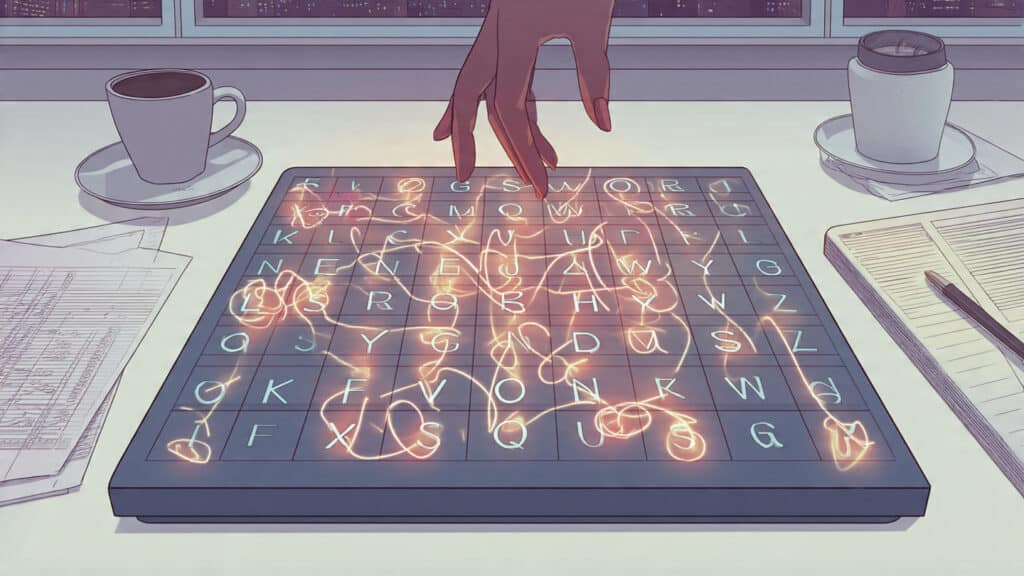
At first glance, Strands might appear to be a glorified word search. However, that perception quickly evaporates once you dive into its unique mechanics. The game presents you with a 6×8 grid of letters, and your task is to find a set of words that all relate to a hidden theme. What elevates Strands beyond simple letter-finding is the absence of a word list. You must intuit the theme first, then locate words that fit, and finally, identify the elusive ‘spangram’—a two-word phrase that spans the entire grid, acting as the ultimate thematic clue and the key to unlocking the puzzle.
What Makes Strands Different?
Compared to other popular NYT Games, Strands introduces a layer of inductive reasoning that sets it apart:
- Wordle: Deductive logic, pattern matching, finite guesses.
- Connections: Categorization, abstract linking, group identification.
- Spelling Bee: Vocabulary expansion, letter manipulation, high-score pursuit.
- Strands: Thematic intuition, visual scanning, abstract conceptualization, and iterative hypothesis testing.
This distinct blend requires players to engage in a more holistic form of cognitive processing, making it less about brute-force guessing and more about elegant problem-solving.
The “Spangram” Effect: A Stroke of Genius
The ‘spangram’ is the heart of Strands’ ingenuity. It’s not just another word; it’s the thematic anchor that confirms your understanding of the puzzle. Its dual function—being both a solution and a grid-spanning element—adds a fascinating layer of spatial reasoning to the word-finding challenge. When you finally uncover that spangram, often stretching across the entirety of the board, it’s a moment of pure intellectual satisfaction, a clear signal that you’ve truly grasped the puzzle’s essence.
Thematic Puzzles: Fueling “Fun Themes”
The ‘fun theme’ mentioned in today’s summary is a cornerstone of Strands’ appeal. The themes can range from concrete categories like ‘Types of Birds’ to more abstract concepts like ‘Things That Go Up’ or ‘Common Idioms.’ This thematic flexibility is where Strands truly shines, leveraging our natural human capacity for categorization and association. When a theme clicks, it’s not just a puzzle solved; it’s a small victory for our pattern-seeking brains. This resonance is what generates genuine enjoyment and makes each puzzle feel fresh and distinct, even with similar mechanics.
Decoding the Daily Challenge: Strategies for Mastery
To truly master Strands, you need more than just a good vocabulary. You need a systematic approach that blends intuition with strategic execution.
Initial Scan and Thematic Hypotheses
Don’t just randomly swipe. Begin by scanning the entire grid for obvious words—even single letters that might stand out. More importantly, start forming initial hypotheses about potential themes. Look for clusters of letters, common prefixes/suffixes, or even words related to current events or common categories. For today’s Nov. 24th puzzle, did any letters hint at a ‘farm’ or ‘harvest’ theme, playing on the ‘former farm girl’ comment?
Pattern Recognition and Word Length Clues
Pay attention to the distribution of words. Are there many short words or a few long ones? The length of words can sometimes hint at the theme’s complexity. Also, remember that words can bend and turn, but they cannot skip letters. Look for common letter pairings or distinctive letter patterns that might form part of a larger word.
The Power of Elimination and Hints
Sometimes, the best strategy is elimination. As you find non-theme words (that light up yellow), they remove possibilities and reveal more of the underlying structure. Use hints judiciously; they reveal three letters of a theme word, which can be a vital nudge when you’re stuck, but they also consume your progress towards the spangram. Think of them as a last resort, not a first step.
| Strategy Phase | Description | Benefit |
|---|---|---|
| Opening Scan | Quickly eye the grid for obvious words; mentally note letter clusters. | Identifies easy finds, primes brain for patterns. |
| Theme Brainstorm | Formulate 2-3 broad thematic ideas based on initial word fragments. | Provides direction, avoids random guessing. |
| Spangram Hunt | Look for long words that span the grid, especially at the start/end. | Narrows down possibilities, confirms theme. |
| Hint Utilization | Use yellow hints for truly stuck moments; leverage them to uncover 3 letters. | Breaks stalemates, conserves progress towards key words. |
The Psychological Hook: Why We Keep Coming Back
Beyond its clever mechanics, Strands taps into several psychological principles that foster daily engagement and loyalty.
Cognitive Engagement and Flow State
Strands offers a perfect balance of challenge and solvability, pushing players just enough to enter a ‘flow state.’ This is where concentration is maximized, and the task becomes intrinsically rewarding. The game stimulates working memory, pattern recognition, and semantic processing, offering a genuine mental workout that feels more like play than effort. This cognitive engagement is a key factor in its addictive quality.
Community and Shared Experience
Like Wordle, Strands fosters a sense of community. The daily nature of the puzzle, combined with the often-clever themes, sparks discussions on social media, among friends, and in online forums. Sharing your number of guesses or hints used, or simply discussing the ingenuity of a particular theme, adds a social layer to the solo game, enhancing its appeal.
The Satisfaction of “Aha!” Moments
The sudden insight when a theme clicks, or a tricky word reveals itself, triggers a powerful release of dopamine. These ‘aha!’ moments are the primary drivers of engagement, providing immediate positive reinforcement. The spangram, in particular, amplifies this effect, turning a successful puzzle solve into a small, celebratory burst of intellectual triumph.
Strands vs. The NYT Puzzle Pantheon: A Competitive Edge
In the crowded landscape of daily digital puzzles, Strands holds its own, offering a unique blend of challenge that distinguishes it from its siblings:
- Wordle: Focuses on phonetics and common letter patterns.
- Connections: Emphasizes abstract connections and category formation.
- Spelling Bee: Tests vocabulary and combinatorial skills.
- Strands: Uniquely demands thematic inference and pattern detection across a visual grid, often requiring players to think outside the box to grasp the underlying concept before they can even begin finding words effectively. This deeper level of abstract reasoning sets it apart as a true test of intuition and semantic understanding.
While all NYT Games offer cognitive benefits, Strands excels at sharpening our ability to connect disparate pieces of information under a unified, often subtle, theme. It’s a testament to good game design that a simple letter grid can evoke such deep thought and consistent enjoyment.
Conclusion: The Enduring Appeal of Strands
As we wrap up our analysis of NYT Strands, it’s clear that the game is far more than just a daily time-killer. From the intrigue of its ‘fun themes’ to the satisfaction of uncovering its clever spangrams, Strands offers a rich, engaging, and psychologically rewarding experience. It challenges our intuition, hones our thematic reasoning, and connects us through a shared daily ritual. So, whether you’re tackling today’s #631 puzzle or eagerly awaiting tomorrow’s, remember that you’re engaging with a masterfully crafted game designed not just to entertain, but to subtly sharpen your mind, one themed grid at a time. Keep exploring, keep connecting, and most importantly, keep having fun!